
How We Design
Several articles giving an in-depth look at our core design principles and how they are reflected as seaworthy, stable vessels sailing the oceans.
Philosophy Behind The Ethnic Approach
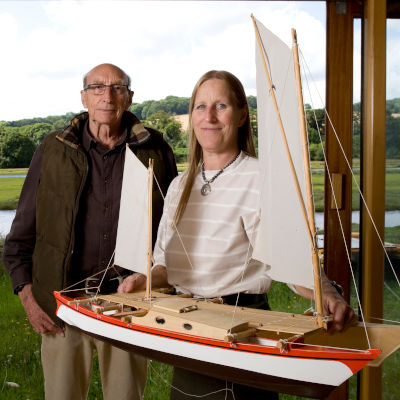
An overview of James Wharram Design’s core design principles and how new designs are created to reflect these principles. “Watercraft and living on the sea is one of the ‘arch-types of our sub-conscious’. We design boats to fulfil this need by not only supplying a boat design, but also encouraging – through design – a lifestyle suitable for sea living, using simplicity as its basis. Simplicity leads us to look for the most appropriate, cost-effective building materials.”
Thoughts On Multihull Design

Featured in a 2017 issue of ‘Multihulls Quarterly’ magazine. James Wharram, a pioneer of catamaran and multihull design, offers food for thought from a perspective of 50 years of design and boat building.
Heavy Weather Sailing on Wharrams
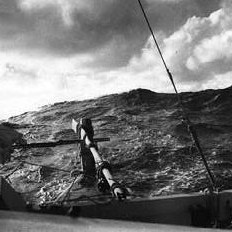
How the design of Wharram catamarans is influenced by the experiences of many ocean storms. “Some multihull designers find inspiration on the screen of the computer. I find inspiration when I am s**t scared at the rapid approach of a huge white capped wave. It is as if the adrenaline of ‘how do I get out of this?’ gets connected to ‘how do I design my way out of this?‘”
The Wharram Wingsail Rig
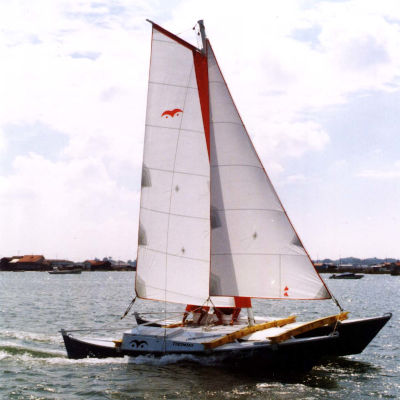
First designed in the early 1980s for the Tiki 21, the unique Wharram Wingsail Rig is a simple, aerodynamically clean sail rig. It is now available for use on all Wharram designs as sloop, or schooner rig. “My biggest design problem for 40 years was solved. Two masted rigs have smaller, easier handled sails and lighter gear than single masted rigs. On multihulls they also have, most important, a lower centre of effort than single masted rigs, giving less capsizing force”.
Freeboard and Windage
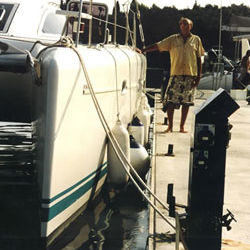
Freeboard affects the windage and hence the windward sailing ability of a catamaran. This article written for an Australian yacht magazine in 2003 looks at the origins of multihulls and what makes them work. “With durable awning fabrics, webbing straps, Velcro and zippers, one can create a variety of centre-deck tent-cabins, sheltered from the elements. Remove this windage when sailing, and you get the sailing efficiency of a true responsive sailing catamaran”.
Catamaran Stability
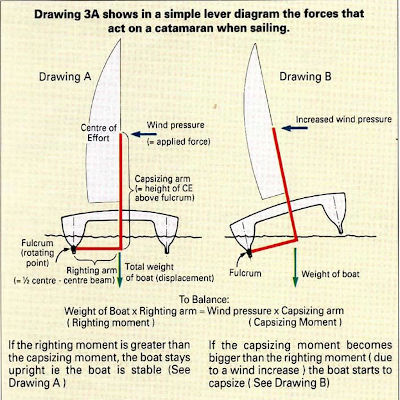
What makes a multihull stable. This seminal article was published in several yachting magazines. It is still as valid today as when it was written in 1991. “A cruising catamaran designed to these principles gives no stability problems to the average yachtsman and his family, enjoying its broad decked upright sailing”.
Design Discussion
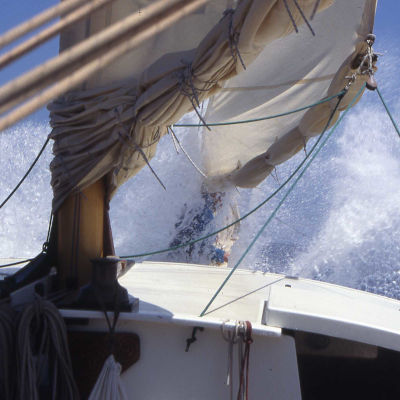
In this article James compares Pahi 63 Spirit of Gaia’s design features with those of the charter Pahi 52. Spirit of Gaia’s Wingsail Rig is tried and tested by other catamaran sailors.
Practical Advice
Advice for first-time Wharram builders or people new to the Wharram world.
Our Blogs
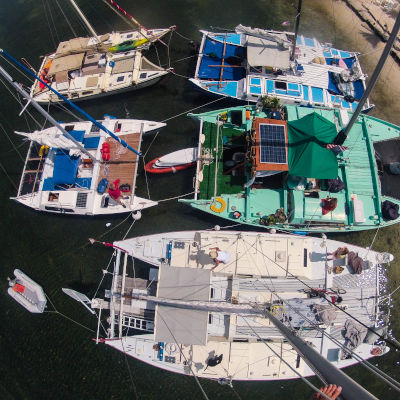
Articles documenting some highlights of our adventures and projects.
The Lapita Voyage
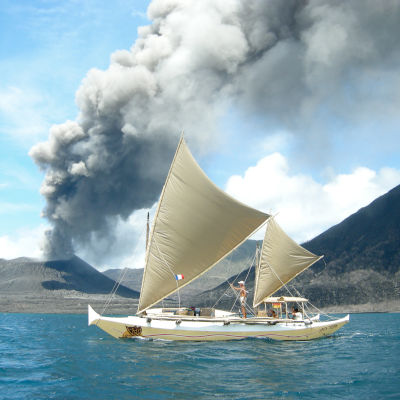
Two 38ft double canoes, of our own design and based on an ancient Polynesian canoe hull-form, set out on a 4,000Nm voyage along the island chains of the Philippines. It was the first exploration by Ethnic sailing craft of one possible migration route into the Central Pacific. The voyage was made entirely under sail, using traditional Polynesian crab claw sails and steering paddles.
Spirit of Gaia Renovation, 20 Years After Her Launching

Pahi 63 ‘Spirit of Gaia’ is a test case to see the durability of wood epoxy and of various design elements we used in her. She was sailed hard for 15 years, including a round the world voyage. These blogs cover her maintenance work in detail and we hope they may be useful to you in carrying out your own maintenance, building or renovation project.
James Wharram’s Philosophical Articles, Papers, and Biographies
Philosophical writings by James, including papers delivered at major marine archeology conferences, as well as external biographies.
Eric de Bisschop And James Wharram – Catamaran Pioneers
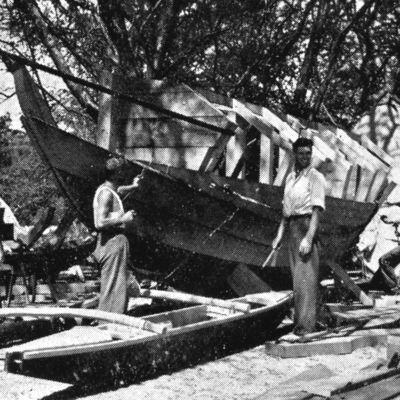
One man above all has kept the memory and achievements of the French pioneer of modern catamarans, Eric de Bisschop, alive. This is James Wharram, who at the age of 16 bought Eric de Bisschop’s book ‘The voyage of the Kaimiloa‘. James, with his cherished book, took up the banner of Eric de Bisschop and made two pioneering double canoe voyages across the Atlantic.
Lessons From The Stone Age Sailors
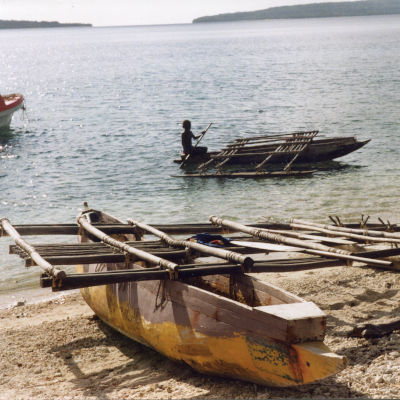
A study of canoe form craft, with observations of canoe form craft made in the Pacific and Indian Oceans during 1995-98, aboard double canoe Spirit of Gaia.
Recreating The Migration Route Of The Proto Polynesians
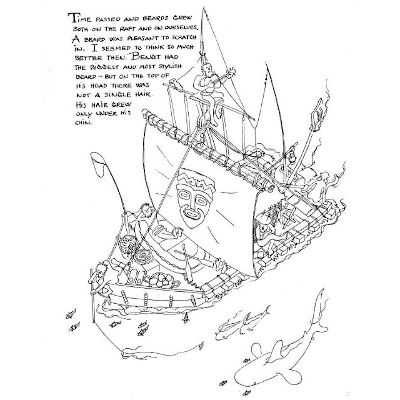
From the ‘Early Man And The Ocean’ conference, Norway, 2008. As a young man, dreaming of sea adventure, I was inspired by Thor Heyerdahl and his 1947 Kontiki voyage. With this voyage, he established the basic premises of Experimental Marine Archaeology, which continue to this day. Heyerdahl had addressed himself to THIS problem: “How had Pacific Ocean Man arrived across 1000s of miles of ocean in the central Pacific islands?”
Revival Of Sailing Culture In Remote Island Communities

From the ‘Early Man And The Ocean’ conference, Norway, 2010. I am pleased to report back to this conference in 2010 that we successfully completed the 4000Nm Lapita Voyage. It is from our experience of the Lapita Voyage and from other of our earlier experimental voyages that I will try to answer some of the many interesting issues raised by the organisers of this 2010 conference.
James Wharram’s Published Biographical Articles
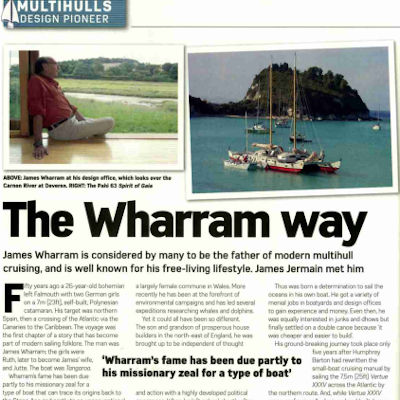
A selection of biographical and philosophical articles about James Wharram that have appeared in boat magazines around the world.